Think of the boss who gave you a chance, the teacher who saw something in you, the neighbor who made sure you were okay. Years later, you still remember how they treated you. That’s the power of kindness. It’s what holds families, teams, and communities together. And we need more of it.
Humane Ideas is a studio exploring what it means to bring more humanity to everyday life. Our work brings fresh perspective to these four themes:

What we do with what we have shows what we value.
Get the guide
A paycheck isn’t the only thing people take home with them.
Guide in progress
The decisions we make are felt by everyone around us.
Guide in progress
The most important things we pass on aren’t found in a will.
Get the guideWant to know what’s next? Join the list. Have a question or idea? Send us a note.
Thanks for reaching out. We’ll be in touch soon.
Straight answers about who we are and what we do. Don’t see your question? Ask us.
Humanity is all of us. It’s also the understanding and kindness we show each other.
To be humane is to put our humanity to work — to be sympathetic when someone is struggling, merciful when they’ve fallen short, and generous when it can’t be repaid. It isn’t soft or naive. It’s a choice we make in every interaction, honoring the dignity every person carries and stubbornly refusing to treat anyone with contempt.
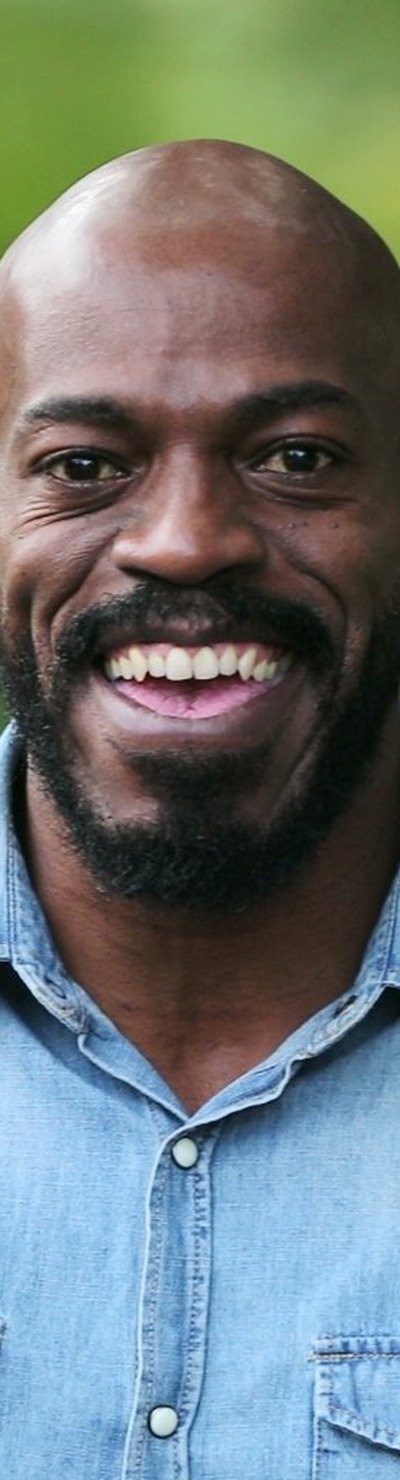
Humane Ideas began with a conversation between two friends in Narrowsburg, New York. It was 2022, and co-founders Campbell Lumbila and Tom Ward were noticing that something had shifted. In the wake of the global pandemic, people were struggling to find their footing and feeling more isolated than ever. Their employers, meanwhile, were navigating a period of profound change. Amid the pressure to keep up, there seemed to be less room for the kindness and understanding that make work human. The people-first rhythms that help employees feel seen, valued, and supported were becoming less of a priority.
Against that backdrop, Campbell and Tom believed it was possible to bring more humanity to the way we relate to one another — at home, at work, and in our communities — and Humane Ideas is how they set out to do it.
Our co-founders have been deeply influenced by the teachings of Jesus, but Humane Ideas isn’t tied to any religion. What we produce and publish is for anyone, whatever they believe. Many of our ideas draw on wisdom found across the world’s great religious and moral traditions, like the Golden Rule: treat others the way you want to be treated. Ideas like that have staying power because they reflect values that matter across cultures and generations.
We started where the stakes are highest and the conversations are hardest. How we approach money and legacy has a direct impact on our families, now and in the future, and a lack of intention in these two areas is difficult, if not impossible, to undo.
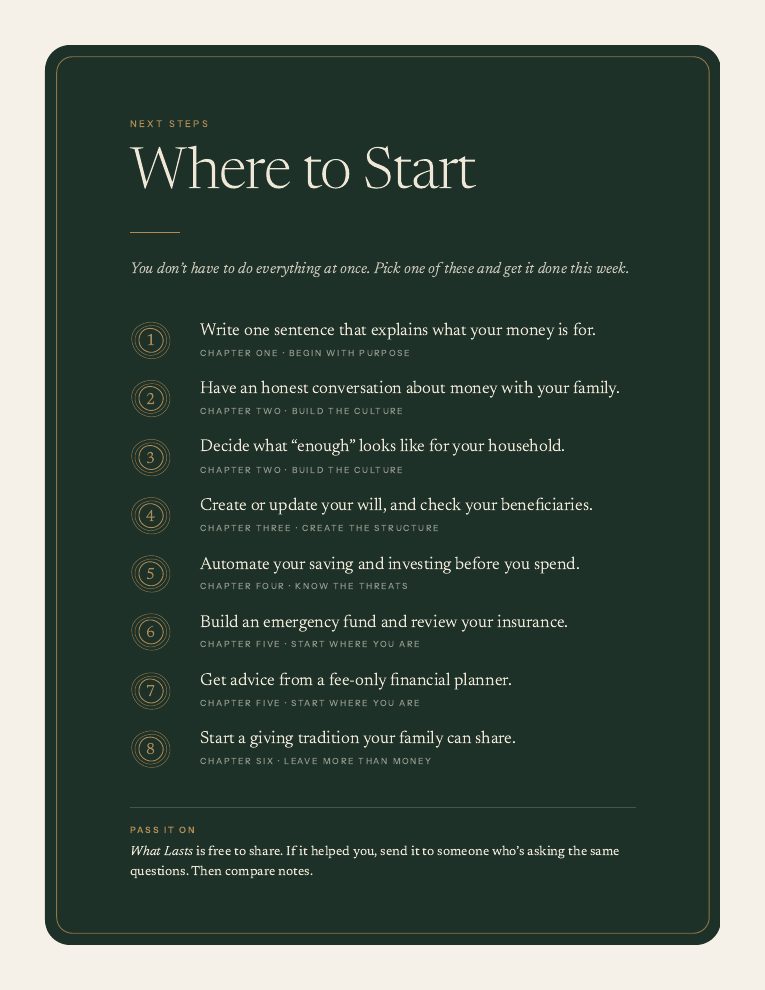
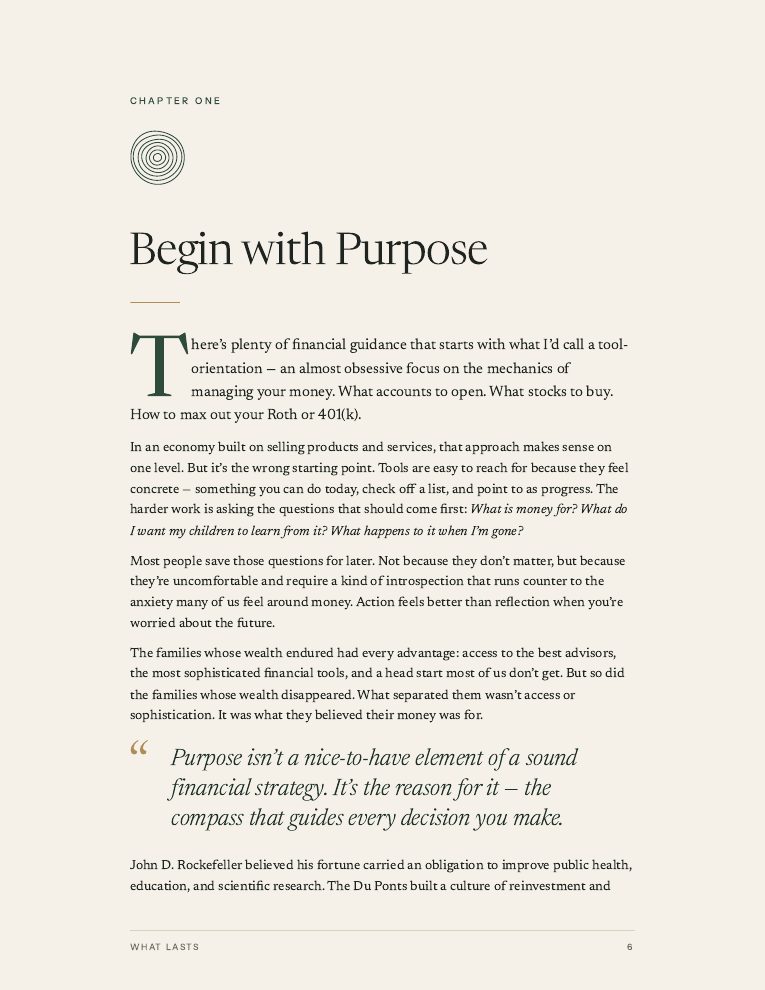
What Lasts is a starting point for those who are ready to approach these questions with the care they deserve, because what we leave behind has less to do with the value of our estates and more to do with what we impart to the people we love.
Our first guide, What Lasts, is free. At this stage, we want our ideas to reach as many people as possible.
In the future, we may charge a small fee to download our guides, depending on the time and resources it takes to create them. What we earn will be reinvested in the studio so that we can continue to explore what it means to bring more humanity to everyday life.
Whenever a guide is free, you’re welcome to download it, print it, and share it with anyone you like, as long as you don’t sell or alter it.
Yes, on a limited basis. From time to time, we partner with organizations on focused, time-bound engagements such as workshops, talks, or culture-building projects, when there’s a clear fit. If you’d like to explore working together, get in touch.
More guides are on the way, starting with companion guides on Work and Leadership. But guides are only one way we explore what it means to bring more humanity to everyday life. We’re also developing new ways to help people put these ideas into practice — in print, online, and in person. The best way to hear what’s next is to join the list.
No. Being humane doesn’t mean being passive, overlooking wrongdoing, or tolerating abuse. It means recognizing the dignity of others without losing sight of your own.
Sometimes that means extending patience or understanding. Other times, it means speaking up, setting boundaries, or stepping away. You can be compassionate without agreeing, excusing, or making room for behavior that causes harm. And you can hold someone accountable without treating them as less than human.
Being humane is about choosing how you respond, even when the situation is difficult.
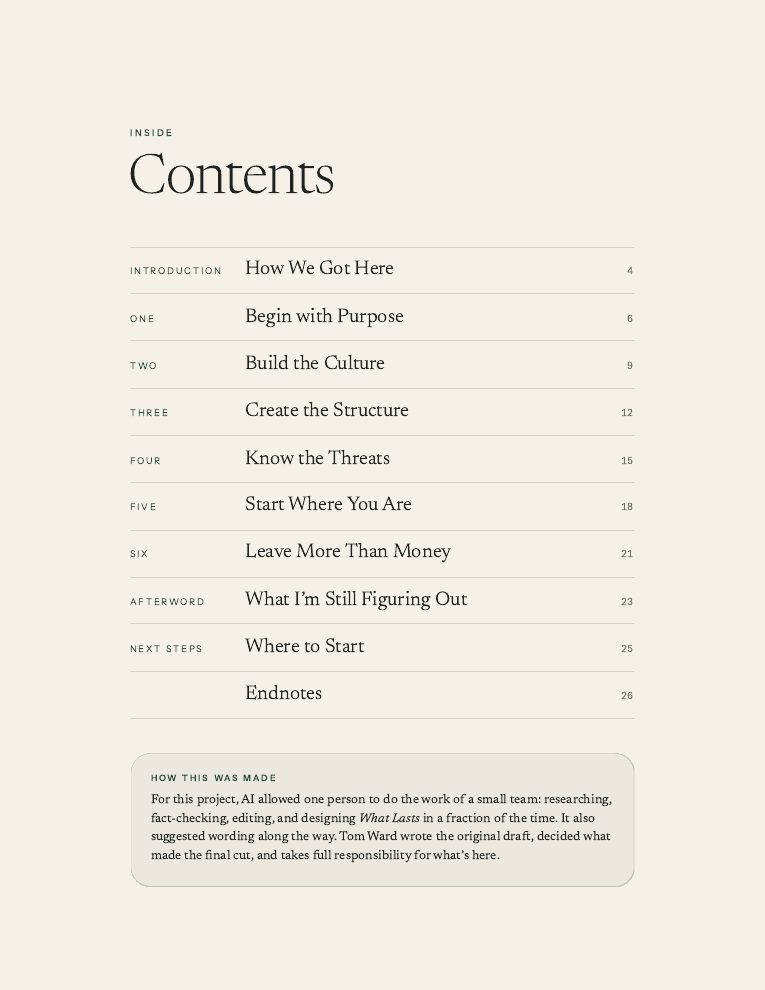
Openly, thoughtfully, and with a person in charge. AI helps us research, fact-check, edit, and design, giving a small studio access to capabilities that would otherwise require a much larger team. We also used it in developing this website.
The ideas, judgment, and responsibility behind our work remain human on purpose. We write the first draft of every guide, decide what makes the final cut, and stand behind everything we publish. AI can help us, but it doesn’t decide what we say or what we stand for.
People are the point.